

ADHD Part 3: Disorder vs Neurodivergent.
Part 3 in the series discusses how ADHD is classified as a disorder, and why.
HEALTHRANDOM THOUGHTSADHD
3/12/20263 min read
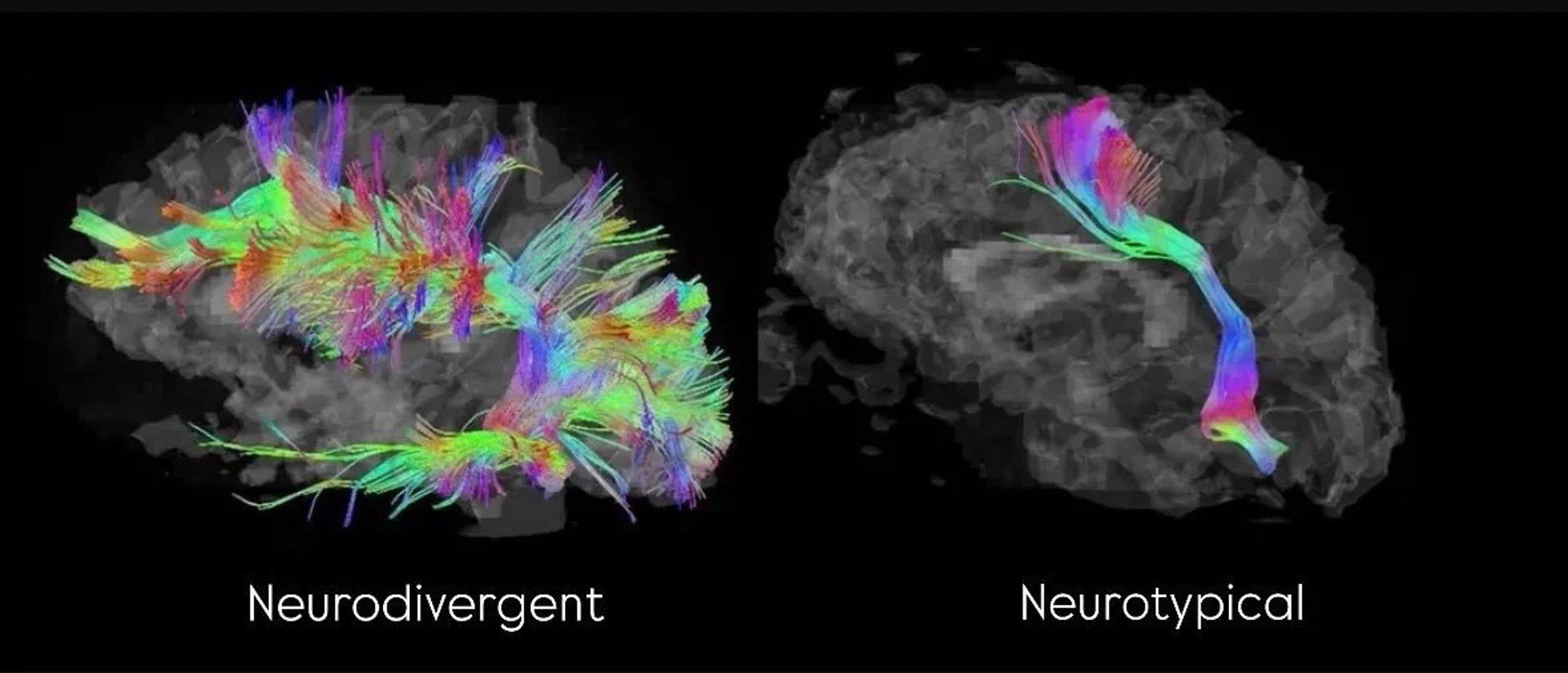
Part 3: Disorder vs Neurodivergent.
Yes, ADHD is officially classified as a neurodevelopmental disorder by major medical and psychiatric organizations. How? Let me try to explain.
Official Classifications
DSM-5-TR: The Diagnostic and Statistical Manual of Mental Disorders (DSM-5-TR), published by the American Psychiatric Association (APA), lists it as a neurodevelopmental disorder.
ICD-11: The World Health Organization (WHO) also recognizes it as a mental and behavioral disorder.
Legal Standing: In the United States, it is considered a protected disability under the Americans with Disabilities Act (ADA), allowing for workplace and school accommodations.
Now the why? Why "Disorder" vs. "Neurodivergence"?
While "disorder" is the clinical term, many experts and individuals now use the term neurodivergence to describe it.
Clinical Disorder terms: Symptoms must cause significant distress or difficulty in at least two areas of life (like work and home) to be diagnosed.
Neurodivergent terms: Views ADHD as a natural variation in human brain wiring rather than a "deficit" to be fixed.
The "Disorder" Requirement
A key part of the medical definition is that the traits must interfere with functioning. If someone has ADHD-like traits (such as high energy or creativity) but they do not cause "clinically significant impairment" in their daily life, they may not meet the official medical criteria for the disorder.
The shift from viewing ADHD strictly as a "disorder" to embracing the term "neurodivergent" reflects a major change in how we understand the human brain. It’s less about a scientific "rebranding" and more about a movement toward Neurodiversity.
Here is why the terminology has evolved:
1. The "Difference vs. Deficit" Model
The Disorder View: Historically, ADHD was defined only by what a person couldn't do (e.g., "cannot sit still" or "cannot focus"). This is known as a medical deficit model.
The Neurodivergent View: This suggests that the ADHD brain is simply wired differently. It focuses on the idea that there is no one "right" way for a brain to function. Thank the Lord for this, because let's face it, we all know that no two brains function the same, just like no two people are the same, even identical twins have some slight differences. In short, we are all unique, and that's ok.
2. Social Model of Disability
The term neurodivergent aligns with the Social Model of Disability, which argues that:
People are often "disabled" by their environment, not just their biology.
Example: An ADHD student might struggle in a 6-hour silent lecture but thrive in a fast-paced, hands-on creative job. In the latter, their brain isn't "disordered"—it’s actually an asset.
3. Reducing Stigma
Disorder implies something is "broken" and needs to be fixed or cured. Until I knew what was happening in my own brain, I often felt broken and in need of repair. Many nights were spent crying, wondering why I was so different.
Neurodivergent acts as an identity. It acknowledges the challenges (which are very real) without stripping away a person's sense of self or worth. Again, thank the Lord for that. No more nights spent crying.
4. Inclusion of Strengths
While "disorder" focuses on symptoms, "neurodivergence" allows room for the common strengths associated with ADHD, such as:
Hyperfocus on high-interest tasks. (Rabbit hole research abilities, for example, or this blog as another example).
Creative "out-of-the-box" problem solving. ( Weird ideas, that one wouldn't typically think of, and often work out great).
High energy and spontaneity. ( Always the "life of the party", or that friend who's "down for whatever").
Important Distinction
It is worth noting that ADHD is still clinically diagnosed as a disorder (Attention-Deficit/Hyperactivity Disorder) in the DSM-5. However, most people in the community use "neurodivergent" to describe their identity and "disorder" when discussing the medical support and accommodations they need to navigate a world built for "neurotypical" brains. This minimizes the feeling of being different or weird for most. It's a more acceptable term that doesn't make us feel like there is something wrong with us. So, in not so short, we took the long, kind of boring route....ADHD is both a disorder AND a neurodivergent thing. Just depends on the situation, really.
Tomorrow will be Part 4 of the ADHD series, and the topic will be Understanding the Role of Alcohol & Substance Abuse in ADHD. Yes, it's a real thing.
Much Love,
Carissa
Get my latest tips and favorite finds using the links below.
Contact
Connect With Me
carissa@abeautifuljumble.com
© 2025. All rights reserved.
After subscribing, please check your spam folder. Thank you!