
Unlocking Health: The Benefits of Vibration Boards
What are vibration boards or plates, as some refer to them, and how beneficial are they really to one's health or fitness? As one of the topics I was asked to research, here is what I came up with. I personally have and use a vibration board, and I love it!
HEALTHFITNESS AND EXERCISE
3/4/20267 min read
Vibration Boards/Plates: What Are They and How Do They Work?
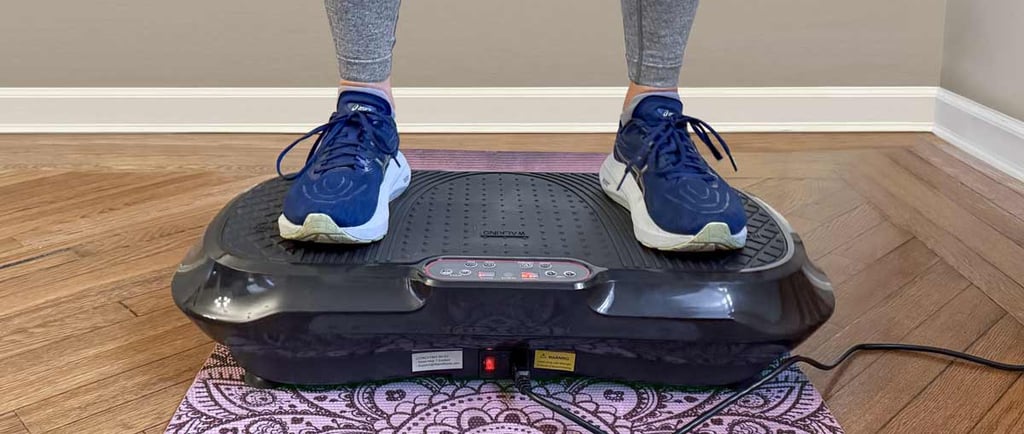
Vibration boards, also known as vibration platforms (or "as I like to refer to it, my jiggle machine."). These are the dazzling fitness devices you never knew you needed for an impromptu dance party while standing still. These boards are typically made of a flat platform that produces vibrations, which can either make you feel like a fitness guru or a wiggly bowl of jello. They’re designed to get your muscles engaged while you try to figure out how to stay on it. The primary function of vibration boards is to stimulate rapid muscle contractions. Having one in the home that I use, I can confirm this.
There are several types of vibration boards available on the market—kind of like different flavors of ice cream, but with less guilt and more quaking involved. Some are linear vibration boards, which produce consistent, uniform vibrations that make standing still a real challenge; others are pivotal or oscillating boards that mimic a natural range of motion, or, as I like to call them, "the ones that make you feel like you’ve had one too many at happy hour." Each type has its advantages and can cater to different fitness levels and preferences, helping everyone find their own unique wobble.
The science behind how vibration boards work is rooted in mechanical stimulation and muscle recruitment, which sounds both impressive and like something out of a sci-fi movie. When you stand on a vibrating platform, your body responds more quickly than it does on a Monday morning, activating various muscle groups. This reflexive response helps enhance muscle strength and balance. Research suggests that regular use of these boards could aid in lymphatic drainage, which is a fancy term for your body's way of saying, "I need to get rid of some unwanted junk!"
Vibration plates originated from 19th-century therapeutic devices, evolving into 1960s Soviet space technology designed to counteract bone and muscle atrophy in cosmonauts. Later adopted by NASA and adapted for elite sports, this "Whole Body Vibration" (WBV) technology now features in commercial fitness and rehab for improving bone density and strength. In modern fitness culture, vibration boards have evolved into a popular must-have for both rehabilitation and fitness enhancement, utilized by athletes who want to look fit with minimal effort and by those just trying to justify the cost of their gym membership. As with any fitness product, it’s wise to consult a healthcare professional before incorporating vibration boards into your exercise regimen—think of it like checking your GPS before embarking on a road trip; nobody wants to get lost in the wrong neighborhood of fitness!
The Health Benefits of Vibration Boards: Looking Beyond Just Exercise
Muscle Strengthening and Toning: The rapid vibrations (up to 30-50 times per second) cause muscles to contract and relax involuntarily, recruiting more muscle fibers than traditional training. Vibration boards have gained recognition in recent years for their versatile health benefits that extend beyond mere physical exercise. One of the biggest perks? The improvement of muscle strength. Imagine this: mechanical vibrations that stimulate muscle contractions, leading to enhanced muscle development without the sweat-stained horror of traditional workouts. Who would have thought you could become a muscle machine while standing still? Talk about a success story!
Improved Circulation: Enhanced blood flow supports faster recovery, better nutrient delivery to tissues, and may assist in lymphatic drainage. The vibrations stimulate vasodilation (widening of blood vessels), which allows more oxygen and nutrients to reach muscles and tissues. Imagine, if you will, that your blood vessels are a slightly congested highway on a Friday afternoon, and your lymphatic system is that one guy in charge of cleaning it up who keeps taking smoke breaks. Vibration plates are basically the 15-minute, high-speed, vibrating rave that forces everyone to move their cars and puts them on an adrenaline rush.
Increased Bone Density: Low-intensity vibration can support bone health, particularly in older adults or those with concerns regarding bone loss. Studies suggest that low-magnitude, high-frequency vibration can help stimulate bone-building cells and inhibit bone-resorbing cells (osteoclasts). Research, especially in postmenopausal women with low bone density, has shown that consistent use may slow the rate of bone mineral density (BMD) loss, and in some cases, lead to modest increases (1-4%) in the hips and spine. You hear that, my fellow Hormotional friends? We need all the help we can get.
Weight Loss and Metabolism Boost: While not a substitute for traditional exercise, they can boost metabolism and increase calorie burn, especially when used in conjunction with exercises like squats or push-ups. Weight loss? Oh, you bet! Consistent use of vibration boards might help you burn calories and drop the pounds. These boards can be viewed as a supplementary tool for folks trying to reach their weight loss goals without turning into a workout freak.
Improved Balance and Flexibility: Regular use can enhance neuromuscular function, leading to better balance, coordination, and range of motion. Additionally, vibration boards can assist in enhancing flexibility. The vibrations produced may help elongate muscle fibers like an overenthusiastic stretch at the office, leading to improved range of motion. For those who are as inflexible as a curtain rod, using a vibration board might just be the ticket to achieving those yoga poses that currently feel more like wishful thinking. Who knew that shaking your booty could actually help your joints? The instability created by the vibrations forces the body to engage core muscles effectively—kind of like doing a balancing act on a tightrope, but with less drama and fewer clowns. This is especially advantageous for individuals with limited mobility, as they can safely work on their skills without feeling like they’re going to fall over like a toddler learning to walk. I feel this one on a personal level.
Reduced Pain and Fatigue: The vibration can help reduce muscle soreness (DOMS) after workouts and provide pain relief, such as for the lower back. The oscillating movements help relax tight muscles and soothe irritated nerves, making it effective for chronic lower back pain, fibromyalgia, and general joint soreness. Incorporating vibration boards into a routine can promote not only physical well-being but also holistic health. From improving muscle strength and flexibility (because who doesn’t want to finally touch their toes instead of their ankles?) to supporting weight management and balance, the spectrum of benefits asserts their role as a valuable asset for fitness enthusiasts and couch potatoes alike!
Impact on Circulation and Lymphatic Drainage: Is There Scientific Support?
The use of vibration boards has become the latest fitness trend, with claims suggesting massive health benefits, especially for circulation and lymphatic drainage. Advocates suggest these vibrating platforms stimulate muscle contractions, which supposedly help enhance blood flow and promote lymphatic drainage. But as with everything in life, the scientific evidence supporting these claims remains more controversial than pineapple on pizza.
Several studies have examined the effects of vibration therapy on circulation. A 2015 study published in the Journal of Rehabilitation Research and Development found that whole-body vibration therapy could improve peripheral circulation among older adults. So, it seems those boards might actually assist in getting the blood flowing—who needs a morning coffee when you have a vibrating board? Me, I still need coffee, but you catch my drift.
Conversely, some researchers caution against overestimating the benefits, kind of like thinking that winning a single game of chess makes you a grandmaster. A systematic review in the Clinical Biomechanics journal pointed out the lack of consistent evidence regarding the impressive claims of vibration therapy boosting lymphatic function. Many studies either lacked adequate participants or used methods so rigorous they made a child's tantrum look calm. Therefore, while some individual studies may give a thumbs up, the overall consensus appears mixed—like that one friend who isn’t sure if they loved the movie or hated it.
Expert opinions also vary. While some health practitioners promote the inclusion of vibration therapy in rehabilitation protocols, they treat it like that acceptable, yet questionable dish at a potluck; meanwhile, others raise eyebrows and suggest substantial scientific validation is needed to believe all the "magical" health improvements.
In conclusion, while there are some glowing indications that vibration boards may positively impact circulation, the verdict on lymphatic drainage sounds much less convincing. Those considering the use of these platforms should be cautious, as it seems no one wants to believe everything they read online. Therefore, seek guidance from healthcare providers to ensure that any health strategy isn’t just based on rumor but on solid scientific backing—or at least the most reliable gossip from your hairdresser.
Incorporating Vibration Boards into Your Routine: Do's and Don'ts
When considering the use of vibration boards, it’s crucial to make sure their integration into your routine is both safe and effective. Start by figuring out the appropriate duration for each session; typically, beginners should aim for about 10 to 15 minutes per day. I personally do 10 minutes each time. Sure, it sounds like a short Netflix episode, but don’t be shocked if those vibrations leave you breathless! Remember, frequency matters—using the board two to three times a week allows for adequate recovery while still reaping the benefits of improved circulation and possibly that lymphatic drainage that was mentioned earlier.
Intensity is another key factor. Start with low vibration levels, especially if you’re new; think of it like testing the waters before diving into the deep end. Over time, you may increase the intensity as you get used to the sensation—who knows, you might start strutting your stuff like a pro! Keep an eye on how your body reacts during sessions; if discomfort occurs, it may signal that you’ve gone too high or you’re channeling your inner pretzel with improper form.
It’s also essential to be aware of contraindications. Individuals with certain health conditions, such as recent surgeries or severe diabetes, should check in with a healthcare professional before jumping on the bandwagon—that’s like getting directions before wandering into a spooky alley. Pregnant women and those with joint issues should also approach vibration exercises with caution, ensuring their safety comes first—because let’s be honest, no one wants to be the star of a reality show about gym fails.
For those looking to maximize benefits, combining vibration board workouts with other fitness routines can be a great addition. Throw in some resistance exercises, calisthenics, stretching, or even yoga, and you’ll have a well-rounded fitness regimen where the vibrations add extra spice, much like the perfect amount of seasoning. Whenever you plan your sessions, reflect on how to integrate vibration exercise alongside your current practices for optimal results—because who wouldn’t want to feel that extra zing in their life? Lastly, I'll post a link to my favorite vibration board so you can get one if you wish.
*By clicking on this link and buying, I may earn a commission at no extra cost to you.*
Much Love,
Carissa
Get my latest tips and favorite finds using the links below.
Contact
Connect With Me
carissa@abeautifuljumble.com
© 2025. All rights reserved.
After subscribing, please check your spam folder. Thank you!